 Food & Lights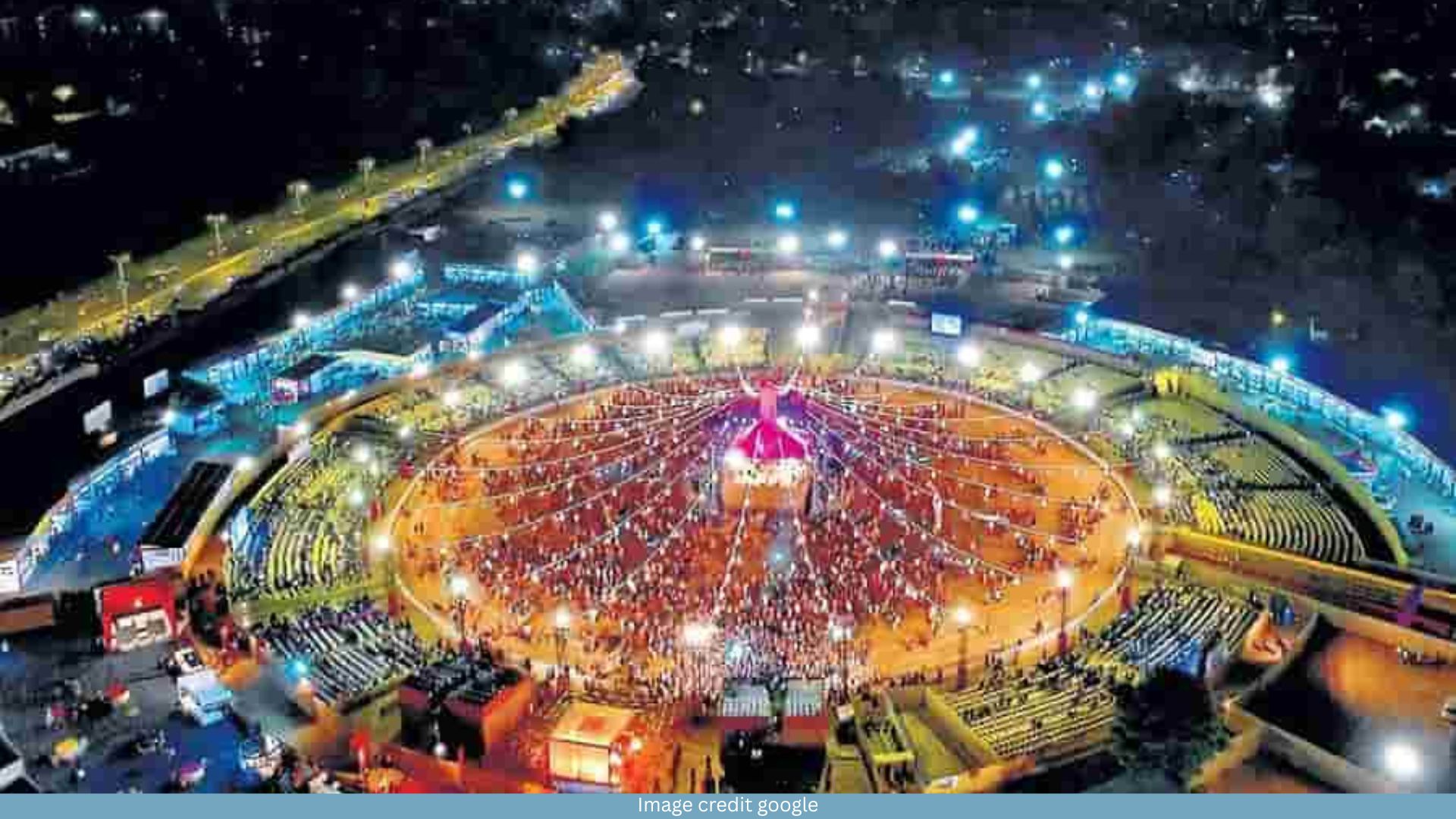
Navratri — literally “nine nights” — is one of India’s most vibrant, devotional, and joyous festivals, dedicated to the worship of the Divine Feminine (Devi / Durga in her various forms). Across India, Navratri is observed with fasts, rituals, devotional singing, and, in many places, nightly dance celebrations (Garba, Dandiya, folk, classical). But not all Navratri celebrations are the same — each region brings its own flavor: the lightning steps of Gujarat’s Garba, the grand pandals of Bengal (Durga Puja), the quiet devotional retreats in Himalayan regions, the theatrical Ram Leelas, and more.
If you are planning to experience Navratri in full swing — whether as a devotee, a cultural traveler, or just someone who wants to soak in spiritual energy — here are some of the best places in India to celebrate Navratri. I present not just mainstream destinations, but also some hidden or spiritual ones to consider.
1. Ahmedabad, Gujarat — The Garba Capital
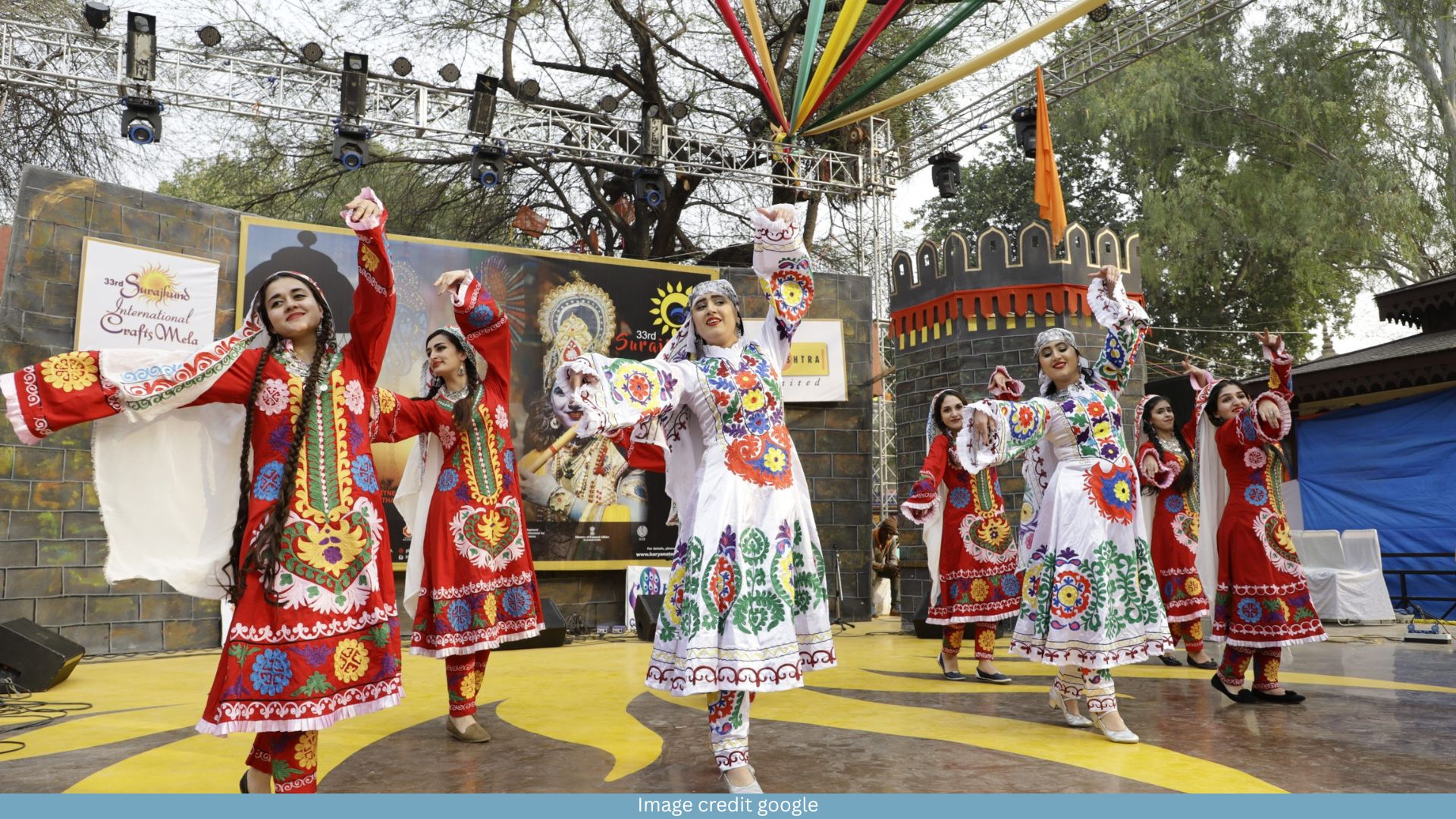
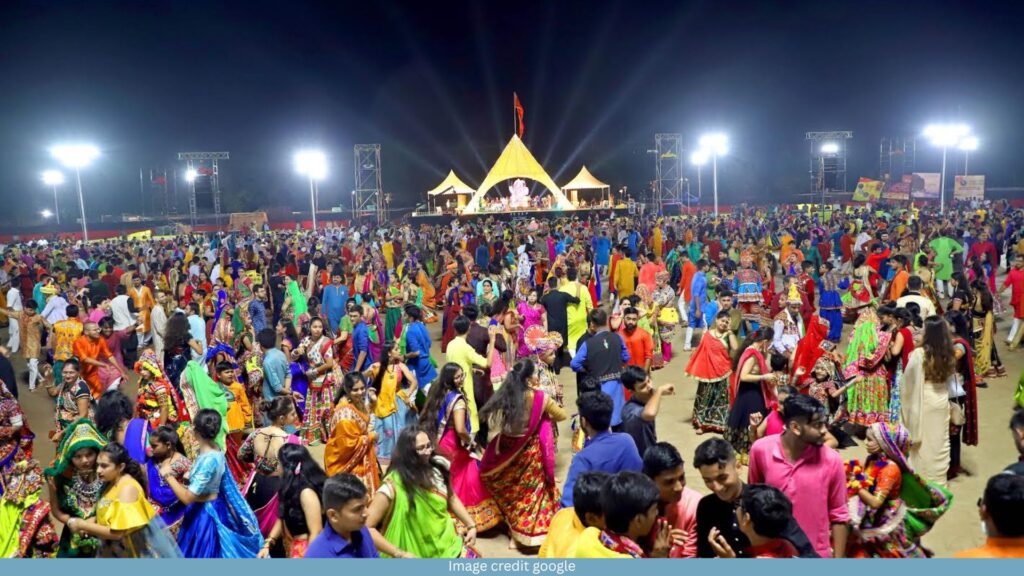
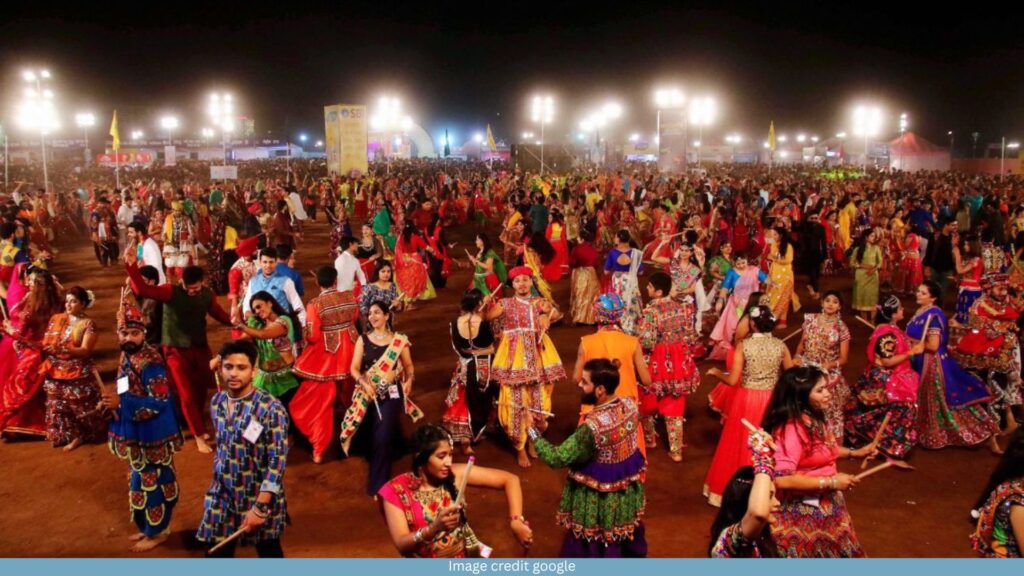
Ahmedabad is often considered the epicenter of Garba and Navratri celebrations in India. Every night across the city, massive grounds, public plots, community centers, housing societies, and even streets turn into hubs of Garba and Dandiya dancing.
Highlights / What to expect:
- Grand Garba arenas (some with tens of thousands of participants).
- Traditional music (live folk musicians, dhols, folk singers) as well as fusion/dj nights.
- Multi-venue hopping: participants often move from one Garba venue to another through the night.
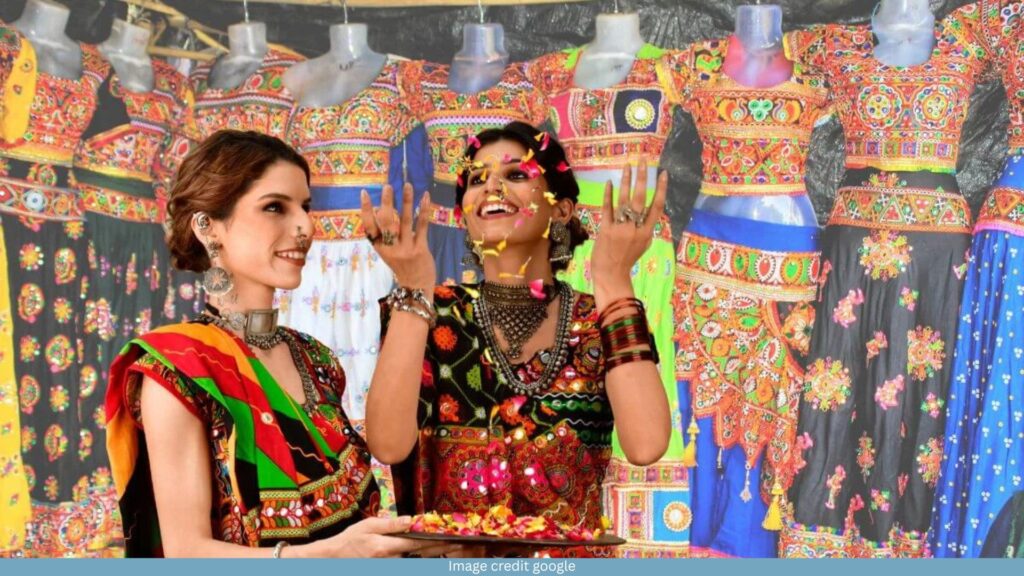
- Colorful attire: chaniya cholis, kediyus, mirror work, vibrant colors.
- Street food, local snacks, stalls of handicrafts, and festive shopping.
- Limitations of sound systems: local rules may restrict loudspeakers to certain hours. (In 2025, Ahmedabad authorities announced sound usage limits from 10 pm to midnight during Navratri & Dussehra)
Tips:
- Choose a neighborhood or a set of Garba events in advance; crowds are huge.
- Stay in Ahmedabad city center or near the Gandhinagar / Satellite areas for good access.
- Booking is recommended during peak nights.
2. Vadodara, Gujarat (Baroda)
Just about one to two hours from Ahmedabad, Vadodara also hosts major traditional Garba nights, but sometimes with more manageability, especially for those who want a strong experience without extreme crowding.
An especially notable event is the Laxmi Vilas Palace Heritage Garba, hosted by the Gaekwad royal family, blending heritage ambiance with festive fervor.
Highlights:
- Royal/heritage setting adds a special charm.
- Traditional rules and ambiance are preserved more strictly.
- Accessible for people coming from Ahmedabad or Surat.
3. Rajkot, Gujarat
If you prefer a more traditional, folk-rooted Navratri (less glitz, more soul), Rajkot is a strong choice. The style here tends to preserve more of the core Garba traditions, with fewer fusion or “modern” embellishments, making it appealing to purists and those wanting a deep cultural experience.
4. Indore, Madhya Pradesh
While Gujarat is famed for Garba, many other parts of India host lively celebrations, and Indore is one of them. The city has become a hub for its communal Garba nights — social, inclusive, vibrant, and accessible.
Highlights:
- More local, community‐driven Garba events.
- Balanced mix of tradition and modern touches (DJ nights, fusion, etc.).
- Easier to navigate and less pressure of scale compared to Ahmedabad.
5. Delhi NCR & North India
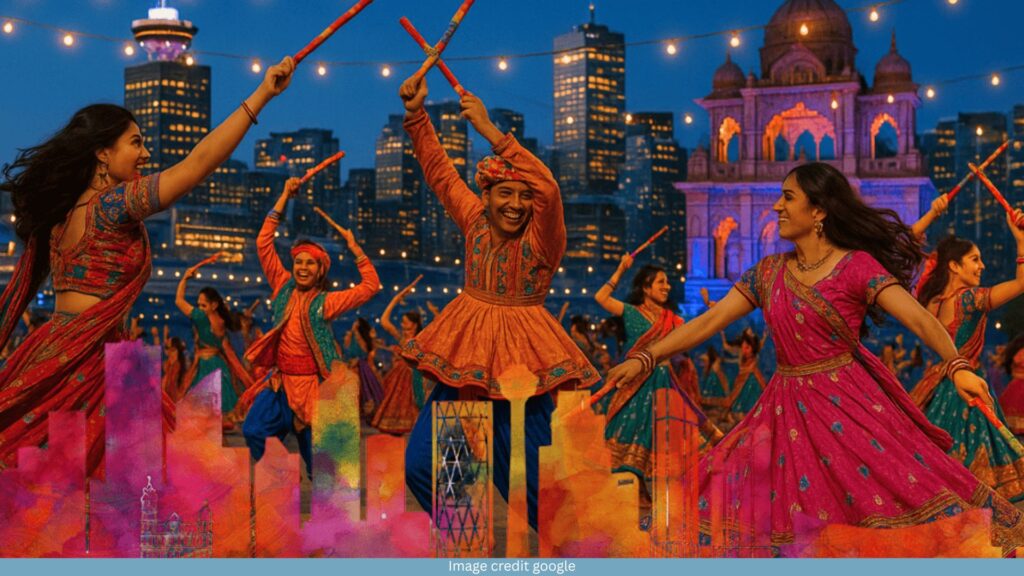
In the NCR (Delhi, Noida, Gurgaon, Ghaziabad, etc.), Navratri sees both devotional and cultural expressions:
- Community clubs, temples, housing societies, malls, and cultural associations host Garba and Dandiya nights.
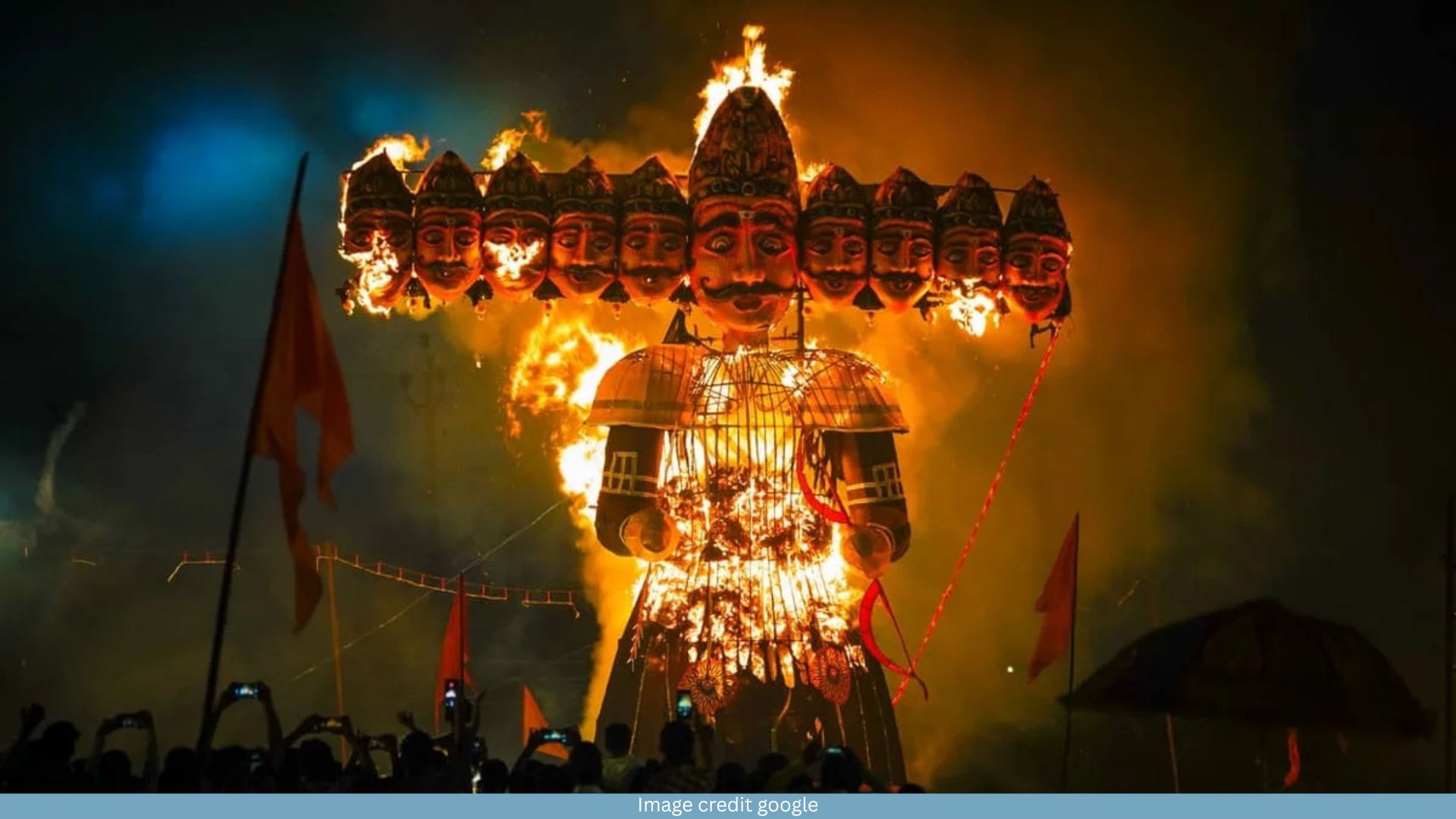
- In parallel, Ram Leela performances are staged during the Navratri fortnight as the lead-up to Dussehra — dramatic enactments of the Ramayana.
- Public venues like Dilli Haat, stadiums, and open grounds are sometimes used for mass Garba nights.
- For those interested in both devotion and performance, Delhi offers a mix.
Tips:
- Because Delhi is huge, pick one or two hubs rather than trying to hop across far-apart venues.
- Public transport options are better — use the metro, buses, and cabs to avoid traffic bottlenecks.
- Dress in comfortable, dance-friendly attire that you don’t mind in a crowd.
6. Kolkata, West Bengal / Eastern India (Durga Puja as Navratri)
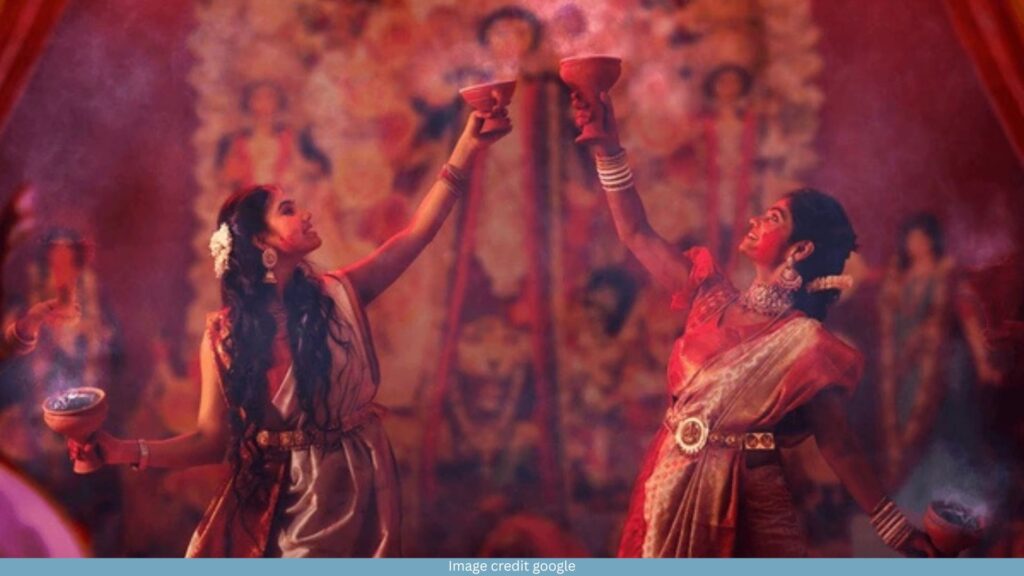
In West Bengal (especially Kolkata), the Durga Puja celebration often overlaps with the last 5 days of Navratri (Saptami to Dashami). This makes Kolkata a spectacular place to absorb art, culture, devotion, and festive energy.
Highlights:
- Elaborate themed pandals (temporary structures) with stunning artistry, illumination, and installations.
- Iconic Durga idols, immersion processions, cultural programs, and evening aartis.
- Street-level festivity, music, community rituals, crowds, and devotional fervor.
- The “last days of Navratri” in Kolkata are almost a festival in themselves.
Tips:
- Plan visits to pandals like College Square, Kumartuli, Ballygunge, etc.
- Go early in the day to avoid peak crowds, yet attend at least once at night to see the lighting.
- Respect local customs: photography is welcome mostly, but follow rules at certain pandals.
7. Varanasi, Uttar Pradesh / Spiritual Ghats
If your aim is devotion and inner calm rather than dance, Varanasi offers a deeply spiritual Navratri experience. The ghats along the Ganges glow with lamps, aartis, chants, and rituals.
Highlights:
- Evening aartis by the river Ganga, pujas in riverside temples.
- Quiet retreat vibes, spiritual introspection, classical music recitals.
- Less of the dance marathon, more of the devotional sanctity.
8. Bastar, Chhattisgarh
In tribal and forested regions like Bastar, Navratri takes on a unique local flavor. Here, the worship of Goddess Danteshwari (a local form of Devi) features tribal rituals, folk dances, indigenous processions, and cultural immersion.
Highlights:
- Tribal art, folk culture, processions, and local participation.
- A chance to see how Navratri is woven into indigenous traditions.
- For travelers willing to go off the beaten path, Bastar offers richness and distinctiveness.
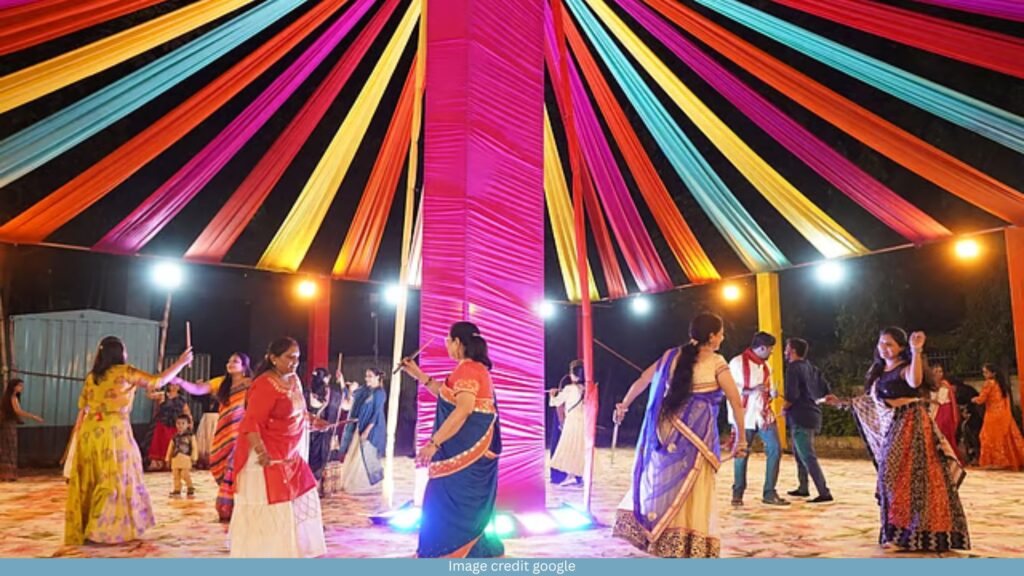
9. Temples & Shakti-Peeth Sites: Ambaji, Baglamukhi, Surkanda Devi
If your priority is pilgrimage and worship, consider including one or more of the revered temples that draw large crowds during Navratri:
- Ambaji Mata Temple (Gujarat): One of the 51 Shakti Peethas, especially crowded during Navratri, with grand decorations and pilgrim devotion.
- Baglamukhi Temple, Nalkheda (Madhya Pradesh): Dedicated to one of the Mahavidyas, this temple sees special observances during Navratri.
- Surkanda Devi Temple (Uttarakhand): A Himalayan shrine where Navratri is marked with pujas, rituals, and calm sanctity away from the bustle.
Visiting such temples gives a quieter, devotional counterpoint to the dance festivals.
10. Other Cities & Lesser-Known Locales
- Mysuru / Mysore (Karnataka) — though more famous for its Dussehra, Mysuru also sees Navratri observances in temples and palaces.
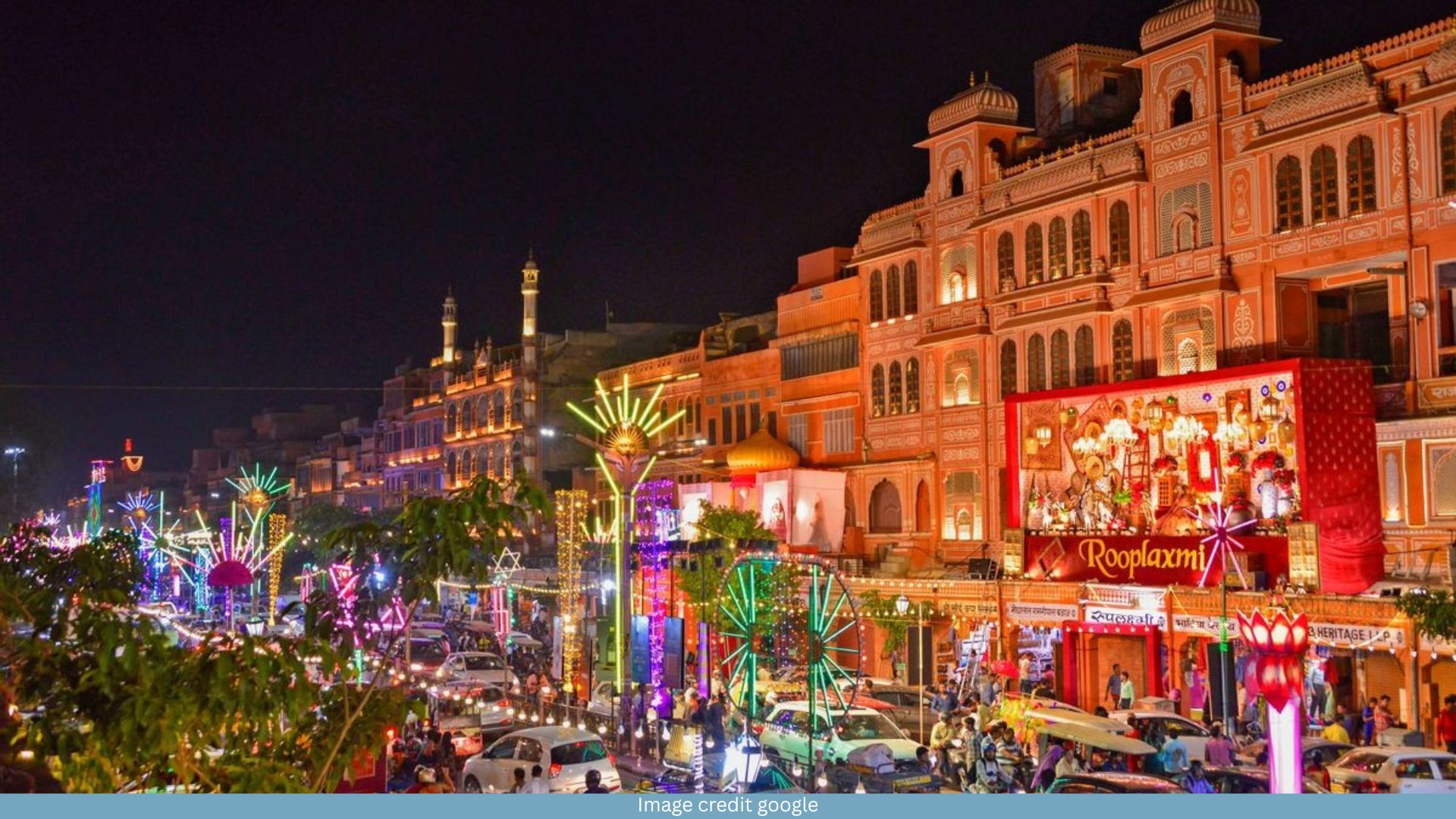
- Jaipur, Rajasthan — local Navratri fairs, temple festivals, and Rajasthan’s folk dances add color and tradition.
- Katra / Vaishno Devi (Jammu & Kashmir) — for those undertaking pilgrimage, Navratri is considered auspicious for visiting Devi shrines.
How to Decide Which Place Suits You
Here’s a breakdown to help you choose:
| Priority | Ideal Places | What You’ll Get |
|---|---|---|
| Garba / Dance Frenzy | Ahmedabad, Vadodara, Rajkot, Indore | Nightly mass dance, energetic atmosphere |
| Heritage / Palace Vibe | Vadodara (Laxmi Vilas Palace), Jaipur | Traditional setting, royal ambiance |
| Art & Grandeur (Durga Puja) | Kolkata, eastern India | Astonishing pandals, cultural immersion |
| Spiritual / Devotional / Quiet | Varanasi, Surkanda Devi, Ambaji, Baglamukhi | Temple rituals, silent meditative energy |
| Tribal / Folk Culture | Bastar, tribal regions | Indigenous music, processions, local tradition |
| Balanced / Mix | Delhi NCR, larger cities | Indigenous music, processions, and local tradition |
Tips & Practical Advice
- Book early — hotels, guesthouses, and homestays fill fast.
- Plan your nights — decide in advance which Garba venues or pandals to attend.
- Dress smart — comfortable for dancing, breathable materials, and good footwear.
- Stay hydrated & safe — long nights, crowds — carry water and basic first aid.
- Transport & logistics — use local cabs, autos, or public transport; avoid driving yourself in congested zones.
- Respect local customs — photography rules, temple etiquette, crowd discipline.
- Time your visits — arrive earlier in the evening to avoid the peak crowd rush.
- Mix your experience — you can combine dance nights with temple visits or cultural events during the day.